
HRUSKA CLINIC SHOE LIST
Updated at least twice a year the Hruska Clinic shoe list is utilized by practitioners across the globe when trying to find appropriate shoe wear for their patients and clients.
Improper shoe wear can quickly defeat any Physical Therapy program.
Every time you stand up your whole body is influenced by your feet. No matter what is bothering you, if you aren’t getting better, perhaps you need someone to check your shoes.
Fortunately, the correct shoe wear can have dramatic positive effect on any Physical Therapy program.
The proper shoe can provide more control of the heel bone and mid-foot, or sensory guidance for proper gait mechanics, or cushion to sense the foot’s impact on their body. Our therapists can direct you to the shoe that gives you just what you need to have success. The correct shoe can be the key for some people to progress and get better in their program when nothing else has helped.
We will make sure your shoes are not holding you back!
The Hruska Clinic® recommended shoe list is reviewed and updated at least twice annually to provide individuals with choices of shoes that promote a successful PRI integrative program.
Guidelines
The qualities that we look for in a shoe are based on the mechanical and sensory input that each shoe gives our patients when they put it on their feet. The purpose of this shoe is to ensure that their entire body; legs, pelvis, thorax, and neck, can maintain an appropriate, neutral, position while they stand and walk. The shoes aren’t picked for their ability to stabilize just the foot and ankle, but for the whole body.
ALL of the shoes on the Hruska Clinic Shoe list have these qualities, however this is not an exhaustive list of all potentially “good” shoes. Every shoe on the list is also NOT going to be a “good” shoe for everyone. There will be shoes on the list that may not be “good” for you.
The number one quality to determine if a shoe is good for you is its ability to keep your entire body neutral as determined by objective PRI testing by a PRI Trained therapist!
The same qualities of the shoes on this list (which are all running shoes) should be used to determine if ANY other type of shoe, hiking, basketball, casual, dress etc. are “good.”
Qualities of a Good Shoe

Watch these videos to learn more how we assess shoes and what the qualities of a good shoe are, the latest updates to the list and an example of how we use those qualities to assess hiking boots.
Hruska Clinic Integrative Footwear
High Sensory Awareness Shoes
Best for “Neck-Driven” Patients
These shoes provide clear, precise input for nervous systems that benefit from ground sense clarity rather than cushioning
Key Features: Moderate Firmness (not-overly cushioned), Clear Heel Guidance, Stable Mid-foot, Pridictable Big-Toe Rollover
Clinical Effects: Improves Ground Sense Awareness, Reduces Visual and Cervical Dominance, Supports Neck and Rib-cage Regulation
Women
Click shoe for link to amazon*
Men
Click shoe for link to amazon*
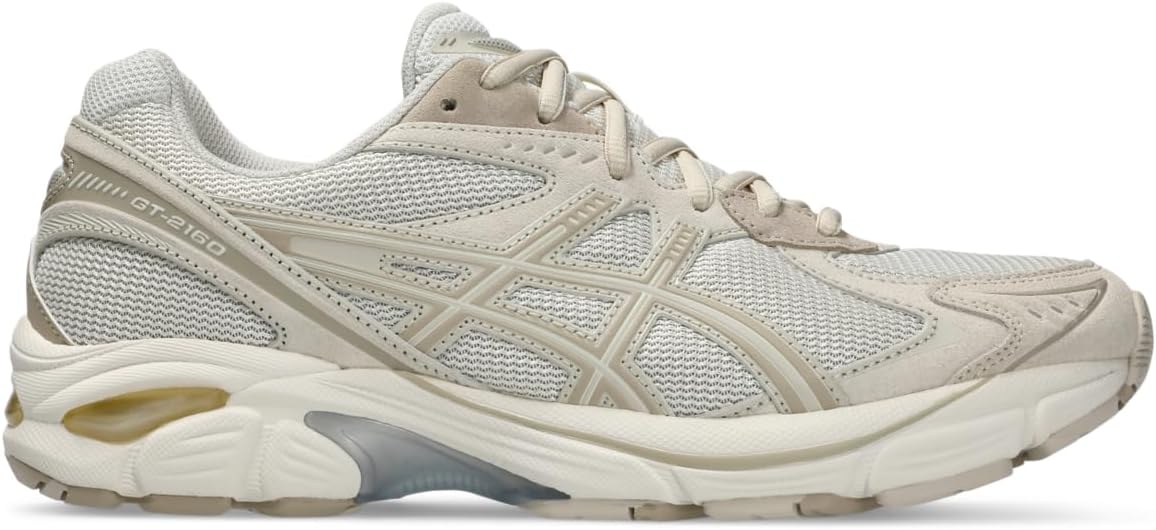
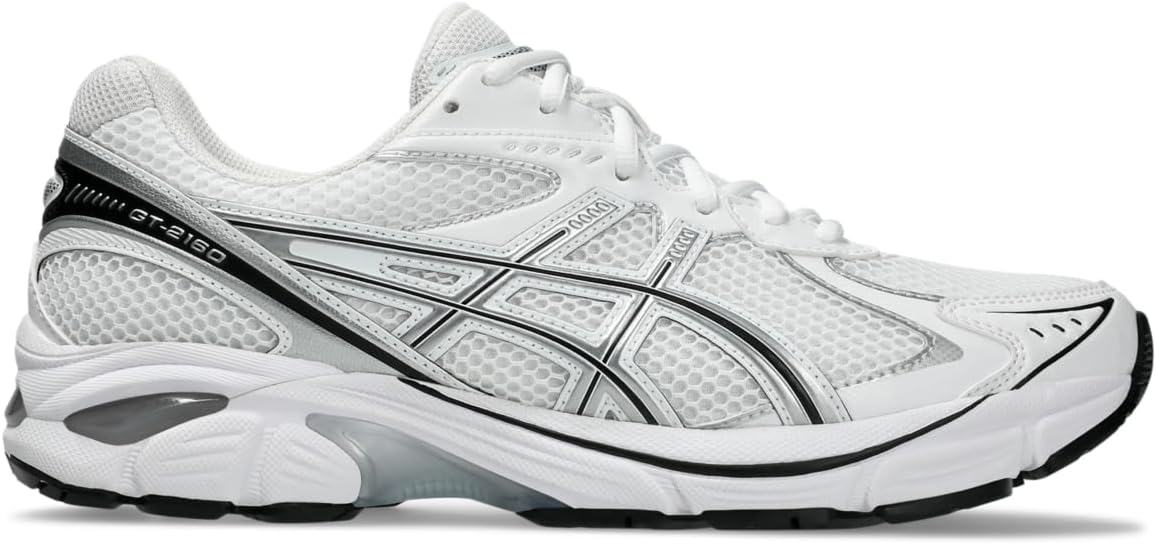
ASICS GT-2160
No added cushion. Orthotic Friendly. Upper assists foot-shoe integration. Wider Heel Counter (not best for ankle instability)
ASICS Cumulus 16 (retro)
Orthotic Friendly; Great narrow heel counter but has some mild lateral give so may not be the best for someone with lateral ankle instability


Brooks Addiction GTS 15
Replacement for the Brroks Beast and Ariel 24. No added cushion. Guiderail for heel arch and toe sense during gait cycle. Available in width. May feel similar to earlier model Brooks Adrenaline shoes.
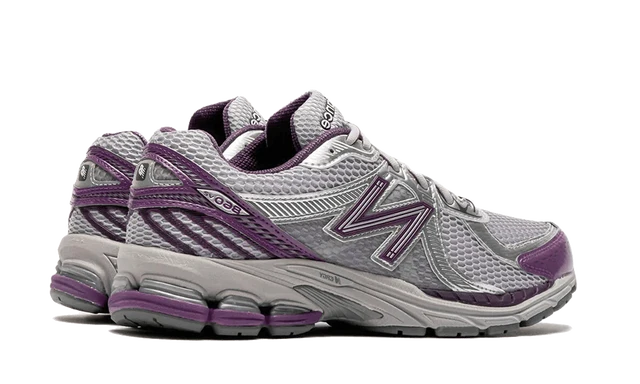
New Balance 860 v2
Solid base, may need added arch support. Superior heel counter is soft but base of heel counter is snug. Has worked well for those patients who liked the ASICS Cumulus 20 Not available in widths.
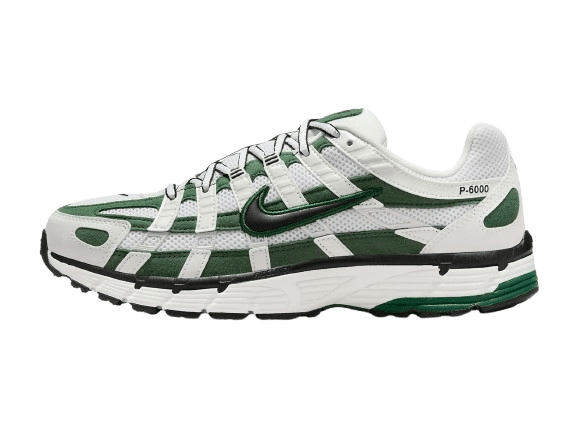
Nike P-6000
Excellent shoe for ground sense. Multi-material upper helps foot-shoe integration. May need added arch support. Can color customize at Nike.com

Brooks Trace 4
“Budget” version of Brooks Ghost but with more stable sole (less cushioned). Orthotic Friendly. Excellent sense of big-toe roll over. Bunion Friendly. May need added arch support. Mild lateral heel give.


Buffered Sensory Shoes (Added Cushion)
Best for “Pelvis-Driven” Patients
These shoes reduce excessive sensory input while maintaining enough structure to support efficient loading and movement
WHY: These shoes provide added cushioning to buffer ground reaction forces for patients who organize movement primarily from their pelvis. When sensory input from the ground is percieved too strong or threatening controlled cushioning can improve walking, standing, and daily activity without increasing instability.
Key Features: Increased Mid-sole cushioning with controlled give without collapse; Supports foot loading without collapse; Assists natural re-pronation during stance; Smooth transition from heel to mid-foot
Clinical Effects: Reduces sensory overload and defensive threat response; Improves pelvis loading and weight acceptance; Decreases reliance on griping and bracing strategies
Women
Click for link to amazon*
Men
ASICS GT-2000 v 14 (NOT 15)
Very similar to version 13. Guide-rail + arch support for heel-arch-big toe guidance. Good for ankle instability.


Brooks Anthem 8
Moderate added cushion. Good qualities of heel counter and toe box. Good repronation with walking. Available in widths.
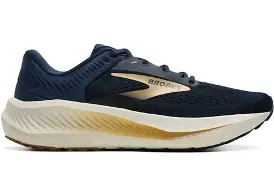
Brooks Ghost 18
Very minimal added cushion from version 17. Not much changes to the overall shoe. If you did well with the Ghost 16 or 17, the 18 should be a good shoe as well. Still a great choice to pair with a PRI orthotic. Wider toe box.
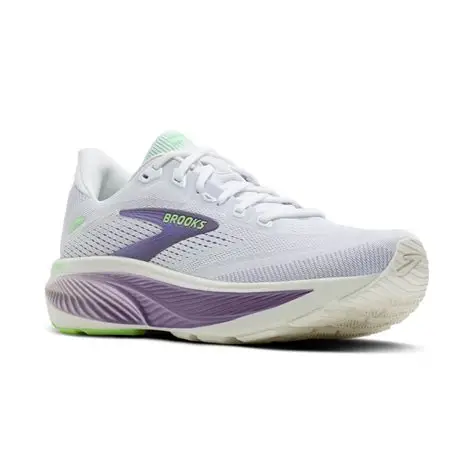
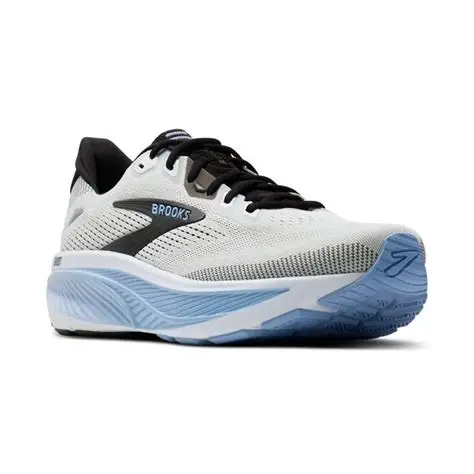
Mizuno Wave Inspire 22
Redesigned sole allows full foot contact on the ground. Narrow Heel Counter. Great toe off.

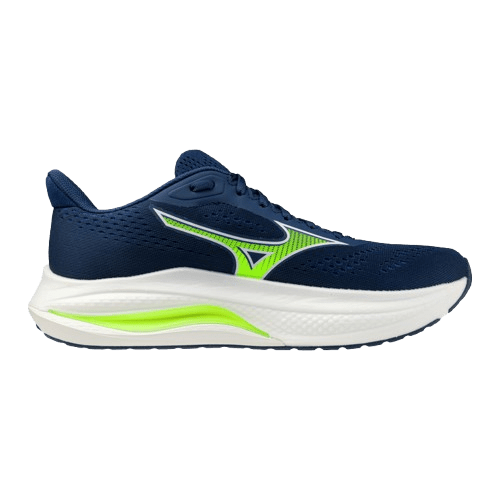
Mount to Coast P1
Newer shoe model not available everywhere. Running stores can order or direct from Mount To Coast website. Great mid-foot support for re-pronation sense. Some heel give with larger individuals.
Mount to Coast R1
Newer shoe model not available everywhere. Running stores can special order or order direct from Mount to Coast Website. Orthotic friendly. Good Mid-foot sensory input. Some heel give may not be good for larger individuals or those with heavy heel strike.
“Rocker” shoes (**Caution: only for those with limited 1st ray/toe extension)
Women
Click for link to amazon*
Men
HOKA Arahi 7 (average mid-foot)
HOKA Bondi 8 (rigid mid-foot/high arch)
HOKA Clifton 9 (Average to low arch)
Brooks Ghost Max 2 (Average to High arch)
ASICS Nimbus 27 (Average to High arch)
ASICS Glideride Max
**As an Amazon Affiliate the Hruska Clinic may earn from qualifying purchases when you use the links on this page

Listen to Lori describe much more about the advent of the shoe list and more in depth details on how we come up with the shoes we reccomend on the list in this podcast from Move Your Brain, Move Your Body from late 2021.
Follow us on Social Media for updates to the list throughout the year
Shoe List Archive

Hruska Clinic Shoe List Wall of Fame
NB 1080 V1 (Fresh Foam)
Brooks Dyad 11
Asics Cumulus 20
Asics Foundation 8